The Lexus LFA Is Back, But It's Not What We Were Expecting
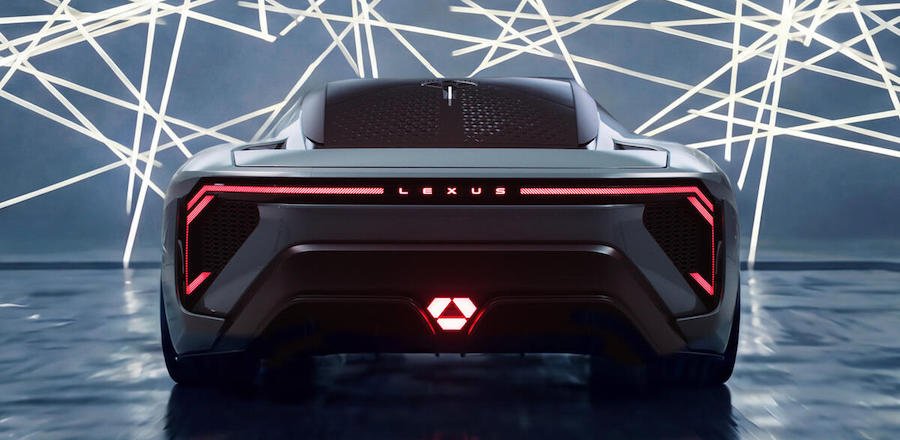
Based on the Toyota GR GT, the new LFA is intended to show another version of the platform's high-performance potential, subbing out the twin-turbocharged V8 for instantaneous EV thrust – as well as some Lexus-chic styling and interior alterations inspired by the Sport Concept from Monterey Car Week 2025.
Big Changes Compared To Its Corporate Cousin
The Lexus LFA Concept takes its bones from the Toyota GR GT supercar, also revealed today. That means it retains a long profile, with a massive hood and a dash-to-axle ratio that wouldn't look out of place on a Jaguar E-Type. But while the GR GT will feature Toyota's first production twin-turbo V8 engine – complete with mild hybridization by way of a belt-starter generator embedded in the rear-mounted transaxle – the LFA Concept is all-electric.
Lexus LFA Concept EV Exterior Rear Deck Details
Despite its Lexus Sport Concept predecessor's vestigial tailpipes, the automaker repurposed that vehicle's styling for the LFA Concept. Long and low, the LFA has phenomenal proportions, and we love its details as much now as we did back in August when the Sport Concept debuted – although we do miss the exhaust outlets that have been replaced by a new decklid graphic. The LFA's interior retains the driver-centric controls from the Sport Concept, and its rotary-style shift and drive-mode selectors recall the dash-top toggles of the original LFA.
Sports Car First, Electric Vehicle Second
Lexus claims that its showpiece was developed alongside the GR GT with lots of shared core values. Both cars were designed to optimize light weight and a stiff structure, as well as a very low center of gravity to improve handling and a sleek, aerodynamic design. Given its stance, we think that Lexus plans to arrange the LFA's batteries somewhere other than the floor, likely stacking cells in the same positions as the GR GT's front engine and rear transmission to maintain decent weight balance. The cars diverge by way of their propulsion, sure, but Lexus says that an all-electric LFA would still "deliver driving pleasure and demonstrate the potential of BEV sports cars."
What kind of potential, exactly, is still in question, as the automaker didn't reveal any preliminary specifications for its supercar. Neither did Toyota, for that matter, except to say that the twin-turbo V8 will make a targeted 641 (or more) horsepower and 627 pound-feet of torque. We have to assume that an all-electric LFA would produce more than that, considering today's high-performance EVs have nearly double that grunt. If the concept makes it to production, we think Lexus would need to endow it with at least 1,000 hp to be able to outrun the haters.
A New Definition Of LFA Performance
That said, Lexus claims that the LFA name isn't necessarily tied to internal combustion but instead signifies the technologies that today's engineers should pass on to the next generation. While that all sounds a bit fluffy, it's not entirely inaccurate. For example, the first iteration of the LFA's high-revving, 9,500-rpm V10 was a paragon of ICE performance, yes. But its Yamaha co-parentage meant that the musical instrument division provided input on exhaust sound using centuries of experience on the subject.
Lexus also built the original LFA out of carbon fiber, which was woven on a sophisticated three-dimensional machine that took inspiration from parent company Toyota's first automatic-shuttle fabric looms from the early 20th century, once again tying the company's past engineers in with its vision for the future. The LFA Concept has the same goal, just rendered in today's modern technologies – the robust aluminum spaceframe is commendably lightweight, and a ground-level seating position should help it improve on EVs with bulky, floor-mounted batteries by keeping the driver's hip point close to the center of gravity.
It seems as though Lexus plans to keep the LFA electric-only, allowing the aggressive Toyota GR GT to carry the internal combustion torch. Truth be told, we'd love to see both cars get a whack at either powertrain, but it looks like the companies will keep their respective powertrains siloed. As for when Lexus plans to trot out its new supercar, we think the next-generation LFA will arrive in limited-production form by the end of next year, likely with a price of $200,000 or more – less than half the cost of the original LFA when adjusted for inflation.
Related News
