UPDATE: Volvo has provided more details on what lies ahead, hinting that it’s working on something other than SUVs. The company says it’s developing both “new low & high body types,” potentially meaning sedans and wagons.
At the same time, it’s considering vehicles larger than the XC90 and EX90 while bringing back physical controls. It’s also working on a new concept to preview a fresh design direction. The show car will debut in 2027 to mark the brand’s centenary.
The original story follows below.
Volvo is about to embark on its biggest product offensive in nearly a century. The Swedish automaker has announced plans to launch 13 all-new cars between now and the end of 2030, with the lineup becoming significantly more tailored to individual regions. The ambitious plan calls for seven of the upcoming models to target Western markets, while another six will be developed specifically for China.
And no, Volvo isn't going all-in on EVs anymore, despite being one of the first brands to pledge to abandon combustion engines. The future range will include EVs alongside third-generation hybrids, acknowledging that there are “customers still reluctant to go fully electric.” The Geely-owned brand's end goal is to double its market share.
The new models will be sold across Volvo's three main regions: Europe, the United States, and China. The company also promises to enter new segments, meaning the 13-car offensive won't simply consist of replacements for today's models. Hopefully, the lineup will include a new wagon, given that the V90 is dead and the V60 has been neglected in recent years.
Volvo Is Working Closely With Geely
For Western markets, the new models will be underpinned by the SPA2 and SPA3 architectures. In China, Volvo will work with its parent company, Geely, by sharing platforms to fast-track the development and launch of next-generation vehicles. That should also allow the company to slash costs while offering products tailored to local tastes. Speaking of costs, the goal is to reach 30 percent commonality in parts, three times higher than today.
Meanwhile, Volvo CEO Håkan Samuelsson is making a bold prediction:
'Our showrooms will look very different in 2030. This is our strongest product pipeline ever, tailored to regional needs, and emphasizes our ambition to be the leading premium car brand.'
Volvo Wants More Than Just New Cars
The product blitz is only one part of the strategy, as Volvo is also changing how it plans to sell and support its cars. The company says it will introduce a simpler commercial model with transparent pricing, simplified offers, and special versions designed for faster delivery.
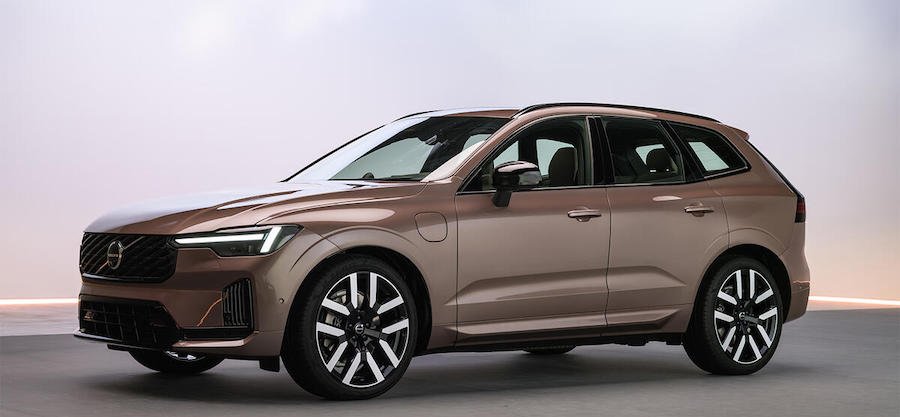
Still, the product plan itself is arguably the more interesting part. Volvo is effectively hedging its bets by developing EVs for buyers who want to go fully electric while simultaneously preparing a new generation of hybrids for everyone else. Long-range PHEVs like the recently introduced XC60 and XC90 should lure buyers still reluctant to go fully electric but who want to taste the benefits.
The first of these 13 cars should start appearing well before 2030, so we won't have to wait long to see just how dramatically Volvo's lineup is about to change.
Related News
