Mercedes Sales Take a Hit — China’s EV Boom and Tariffs to Blame
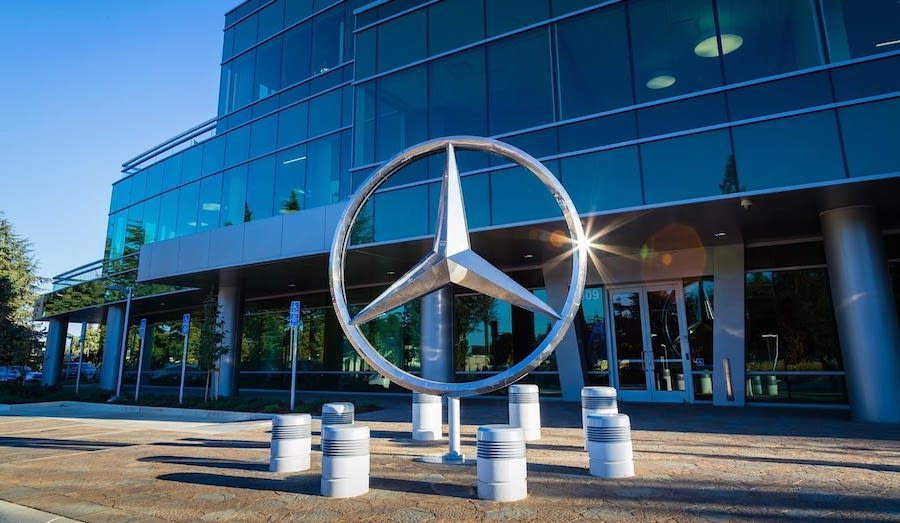
Mercedes-Benz reported a steep drop in third-quarter sales, with global deliveries falling 12 percent year over year to 525,300 vehicles. The decline was led by weakness in China and the United States, two of the brand’s largest markets. Passenger-car sales fell to 441,500 units, while van sales slipped 8 percent to 83,800.
Company executives blamed tariffs, softening consumer demand, and heightened competition from domestic automakers in China for the downturn. Mathias Geisen, Mercedes-Benz board member for Sales, said in a statement that while results in Europe and the Middle East remained stable, “market conditions in China and the U.S. were clearly challenging.”
China and U.S. Drive the Decline
China, once Mercedes’ growth engine, saw sales plunge 27 percent compared to last year, as local electric vehicle brands such as BYD and NIO continue to erode the German automaker’s market share. In the U.S., deliveries fell 17 percent amid tighter inventory controls and ongoing tariff pressures. Mercedes reportedly managed stock levels cautiously to avoid exposure to rising import duties on European-built vehicles.
The downturn contrasts with recent product momentum across the lineup. Mercedes has been busy expanding its SUV portfolio, signaling a shift away from traditional compact cars toward higher-margin crossovers.
Electric Vehicles and Premium Models Hold Steady
Despite the overall slump, Mercedes’ electric vehicle sales showed some resilience. The company sold roughly 42,600 battery-electric cars in Q3, largely in line with last year, while electric van deliveries nearly doubled. Analysts note that Mercedes’ top-end range, including AMG, Maybach, and G-Class model, performed better than core segments.
That’s partly due to growing demand for off-road luxury models, as evidenced by Mercedes’ trademark filings suggesting new variants in the works. The brand also appears set to broaden its G-Class lineup, using its flagship SUV’s global popularity as a buffer against market slowdowns elsewhere.
Mercedes is also investing heavily in technology development to maintain a competitive edge. Its latest R&D expansion, shows a focus on lighting, safety, and sensor systems that could feed into future EV and autonomous platforms.
Why It Matters
For Mercedes, the Q3 results highlight the risks of relying on high-value but volatile markets. China’s rapid pivot toward homegrown EV brands is challenging German luxury players that once dominated the premium segment. In the U.S., rising tariffs and inventory caution continue to pressure sales and margins.
Still, Mercedes remains profitable, and its long-term strategy is clear, to double down on luxury SUVs, continue advancing technology leadership, and maintain pricing power in its top-end models. If it can hold that line while navigating short-term turbulence, Mercedes could emerge stronger once trade and demand pressures ease.
